
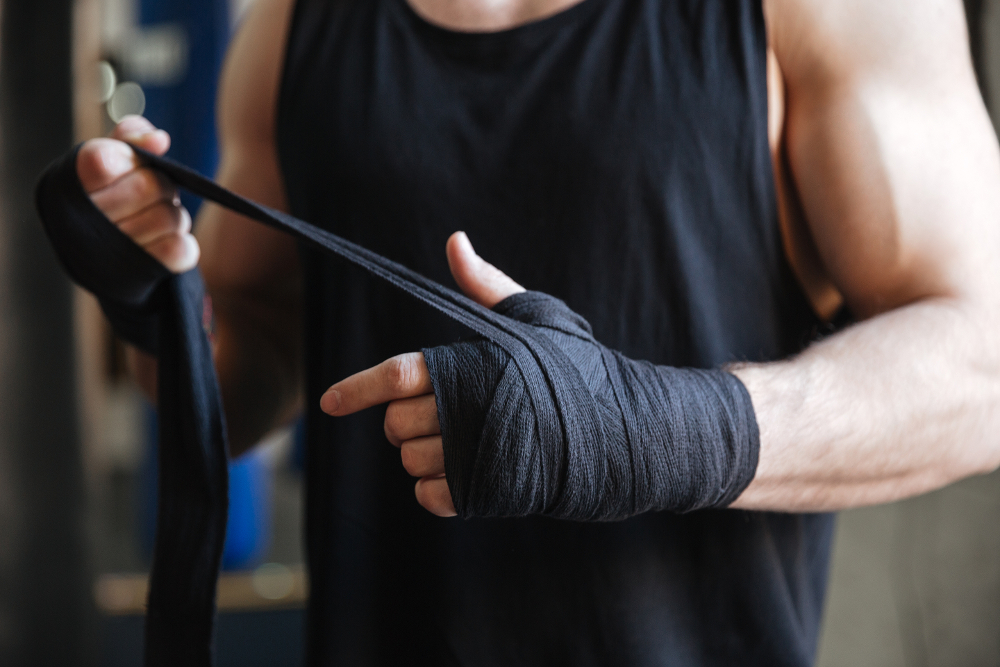
How to Wrap Hands for Boxing: Step-by-Step Guide
Introduction
Before any glove touches a bag at Round 10 Boxing Club, there is one small ritual everyone shares, from first‑day beginners to seasoned pros. We wrap our hands. Learning how to wrap hands for boxing is the first technical skill we focus on, because it protects the most important tools in the sport. Each hand holds 27 small bones, plus tendons and ligaments that absorb every bit of force from a punch.
Without a proper wrap, even light bag work or fitness rounds can lead to sore knuckles, sprained wrists, or a thumb that bends the wrong way. A good wrap:
adds padding over the knuckles
keeps the wrist straight and supported
compresses the whole hand so it behaves like one solid unit
absorbs sweat so your boxing gloves stay fresher for longer
In this guide we walk through how to wrap hands for boxing step by step, using the same method our coaches teach every day in our Dubai gym. We will help you choose the right wraps, show you a clear wrapping method, and flag the mistakes we see most often. By the end, you will know how to protect your hands, punch with confidence, and walk into any Round 10 class already prepared.
Key Takeaways
Hand wraps protect the 27 bones, ligaments, and tendons in each hand from the shock of punching. A strong wrap always starts at the wrist, since that joint is the base that holds everything in line. Keep your fingers slightly spread as you go so the final fist never feels strangled.
For most adults, 4.5 mts wraps are the best choice for comfort, support, and easy wrapping. They work well for beginners, youth boxers, and active fighters in our classes. The finger‑weave X pattern holds the knuckle padding in place, even through long rounds on the bag.
Clean wraps matter almost as much as correct wrapping. Wash them after every training session, air dry them flat, and roll them neatly so they are ready for the next class. If anything feels wrong, ask a coach at Round 10 Boxing Club to check your wrap before you touch the bag.
Why Wrapping Your Hands for Boxing Is Non-Negotiable
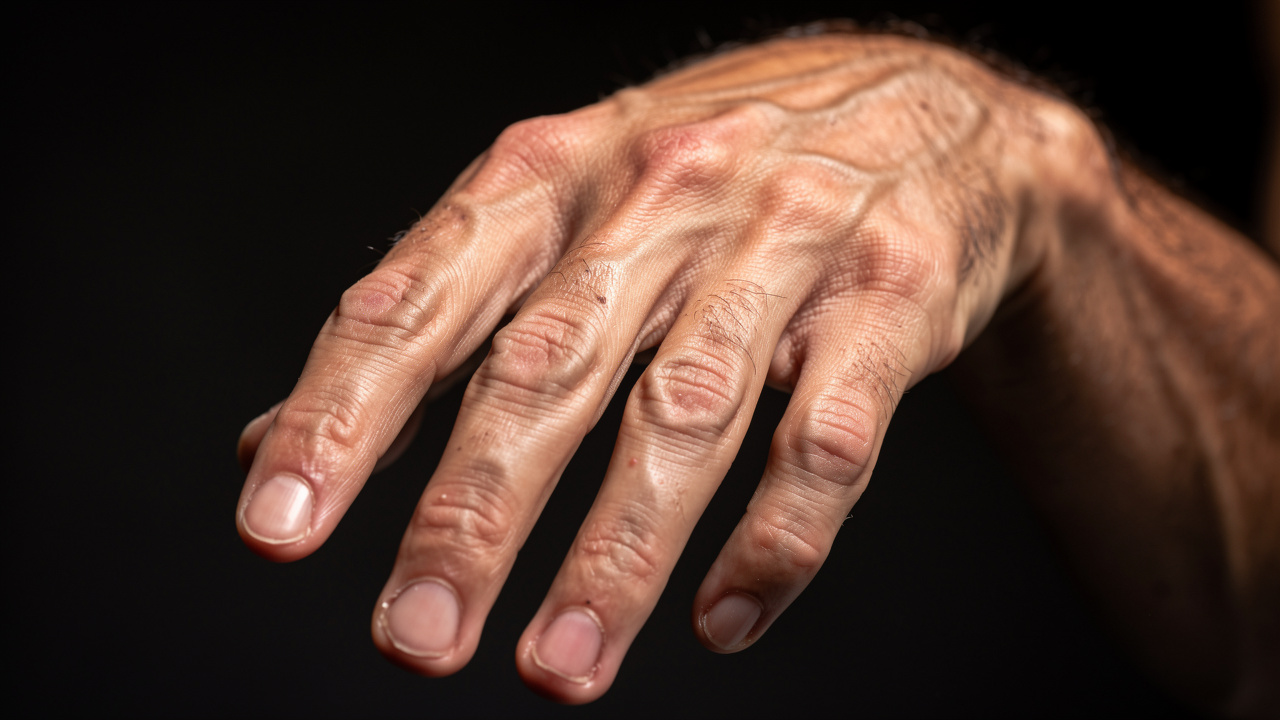
Before learning how to wrap hands for boxing, it helps to understand why we treat it as non‑negotiable at Round 10. Every punch sends force from the shoulder, through the arm, into the small bones of the hand — a dynamic explored in depth through research on The Role of Lower limb kinetics and how biomechanical force travels through the entire body during a punch. Without extra support, those bones and soft tissues take far more stress than they should.
A proper wrap adds a soft shield over the knuckles so the metacarpal bones do not take the full blast of each impact. It also locks the wrist in line with the forearm, which stops the joint from bending backwards when a punch lands a little off target. Think of it as a light cast for the wrist that still lets you move freely but keeps you safe when power goes through the shot.
Good wrapping also takes care of the thumb, which is easy to jam on a bag or an elbow. A loop around the base of the thumb ties it to the rest of the hand so it cannot fly off on its own. At the same time, the wrap compresses your fist so all the bones move as one solid unit. That makes the punch feel sharper and reduces the chance of something shifting out of place — a principle also supported by studies on Blood flow restriction training, which examines how upper body structural integrity and hand conditioning directly affect punching force in elite boxers.
There is a hygiene side as well. Wraps soak up sweat that would otherwise sit inside your gloves and feed bacteria. That means less smell, fewer skin issues, and gloves that last longer.
“Protect your hands and they’ll protect you.”
— common saying in boxing gyms around the world
Skipping your hand wraps is not just risky – it is one of the most common beginner mistakes we see at Round 10 Boxing Club.
Choosing the Right Hand Wraps Before You Start
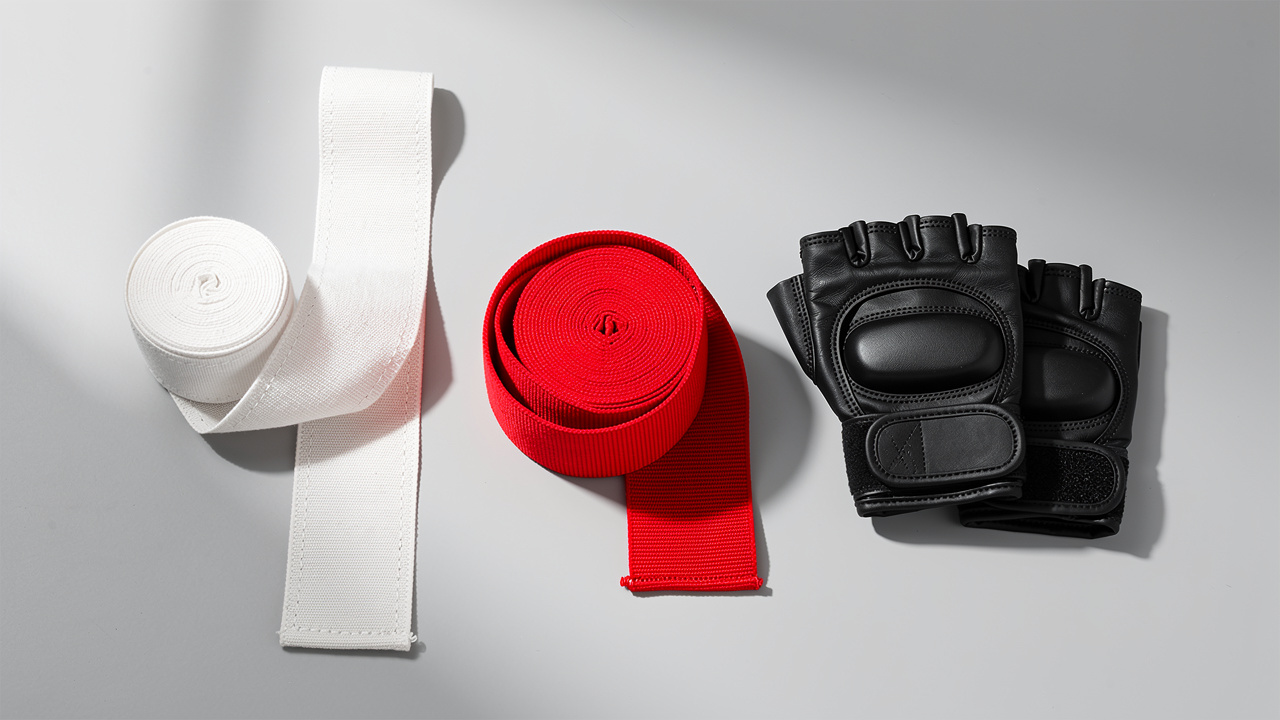
To learn how to wrap hands for boxing properly, you first need the right kit. Not all wraps feel the same, and the type you pick has a big effect on comfort and support. At Round 10 we keep things simple and focus on three main styles.
| Type | Material | Best For |
|---|---|---|
| Traditional Cotton | Non‑elastic cotton | Experienced boxers who already wrap with steady tension |
| Mexican Style | Semi‑elastic cotton blend | Most adults, from beginners to pros, all‑round training |
| Gel Or Quick Wraps | Padded glove with strap | Short fitness rounds, not heavy bag work or sparring |
For most of our members, Mexican style wraps are the best choice. The light stretch helps the fabric mould to your hand, so you get a snug fit without cutting off blood flow. They are forgiving for beginners yet strong enough for hard bag work and pad rounds.
Length matters as much as material. Use these simple guides:
4 meters works for children, teens, or adults with very small hands. This length gives basic coverage but can feel short once you try to build extra knuckle padding.
4.5 meters is the sweet spot for most adults. It gives enough fabric for solid wrist support, strong knuckle layers, and the finger X pattern we teach at Round 10.
Wraps longer than 4.5 meters suit very large hands or boxers who like extra layers. They are less common in general fitness classes and can feel bulky inside some gloves.
A few extra tips before you buy:
Most wraps have a small label that reads something like “This Side Down”. Keep that side against your skin so the Velcro ends up on the outside when you finish.
If the Velcro starts to wear out or the fabric thins over the knuckles, it is time to replace your wraps.
If you need quality Mexican style wraps, our Round 10 online shop stocks premium options that match what we use in the gym.
Step-by-Step Guide — How to Wrap Your Hands for Boxing
This is the standard cross method we teach in our Dubai gym. It works for bag work, pads, and light sparring, and it suits almost every level. As you follow the steps, keep your fingers slightly spread and maintain steady tension. With a little practice, how to wrap hands for boxing will feel as natural as tying your shoelaces.
Step 1 — Thumb Loop And Wrist Base
Slide the thumb loop over your thumb so the wrap runs across the back of your hand, not the palm. Start by circling the wrist three or four times, each pass overlapping the last. The wrap should feel snug and secure without any pins and needles.Step 2 — Wrap Across The Hand
From the wrist, bring the wrap diagonally across the back of your hand towards the base of your little finger. Circle the palm three times just below the knuckles, keeping the fabric flat with no twists. This gives light support to the hand and starts to shape the fist.Step 3 — Pad The Knuckles
Bring the wrap back over the back of your hand and across the knuckles. Go around the knuckles three or four times to build a soft, even pad. Keep your fingers slightly apart so the wrap does not dig in once you clench a fist.Step 4 — Weave The X Pattern Between Fingers
From the outside of your wrist, bring the wrap up between your little finger and ring finger, then over the back of your hand and down to the base of your thumb. Lock that pass with a quick circle around the wrist. Repeat the same weave between ring and middle fingers, then again between middle and index fingers, forming clear X shapes across the back of your hand that hold the padding in place.Step 5 — Secure The Thumb
After the final finger weave, bring the wrap back towards the thumb. Circle once around the base of the thumb to tie it into the rest of the hand. Return straight to the wrist and add a pass there to stop the thumb loop from slipping.Step 6 — Final Knuckle Pass
Take the wrap back up over the back of your hand and across the knuckles once or twice more. These extra layers bind all the earlier passes together so the padding feels like one smooth pad, not separate bands. Check that the fabric still lies flat with no bumps.Step 7 — Finish At The Wrist
Use any remaining length around the wrist, since that joint needs the most support. You can add a light figure‑eight pattern over the back of the hand if you still have extra fabric, then come back down. End on the wrist and fasten the Velcro firmly.Step 8 — The Fist Test
Open your hand fully, then make a tight fist. The hand should feel like one solid unit, with firm support but no pain, tingling, or pale fingertips. If the wrap moves around, feels loose, or cuts into the skin, unwrap and repeat the steps with steadier tension.
Practise this method a few times at home so you are not rushed before class. When you arrive at Round 10, our coaches are always happy to look over your wrap and fine‑tune your how to wrap hands for boxing technique.
Common Mistakes to Avoid and Pro Tips for a Perfect Wrap
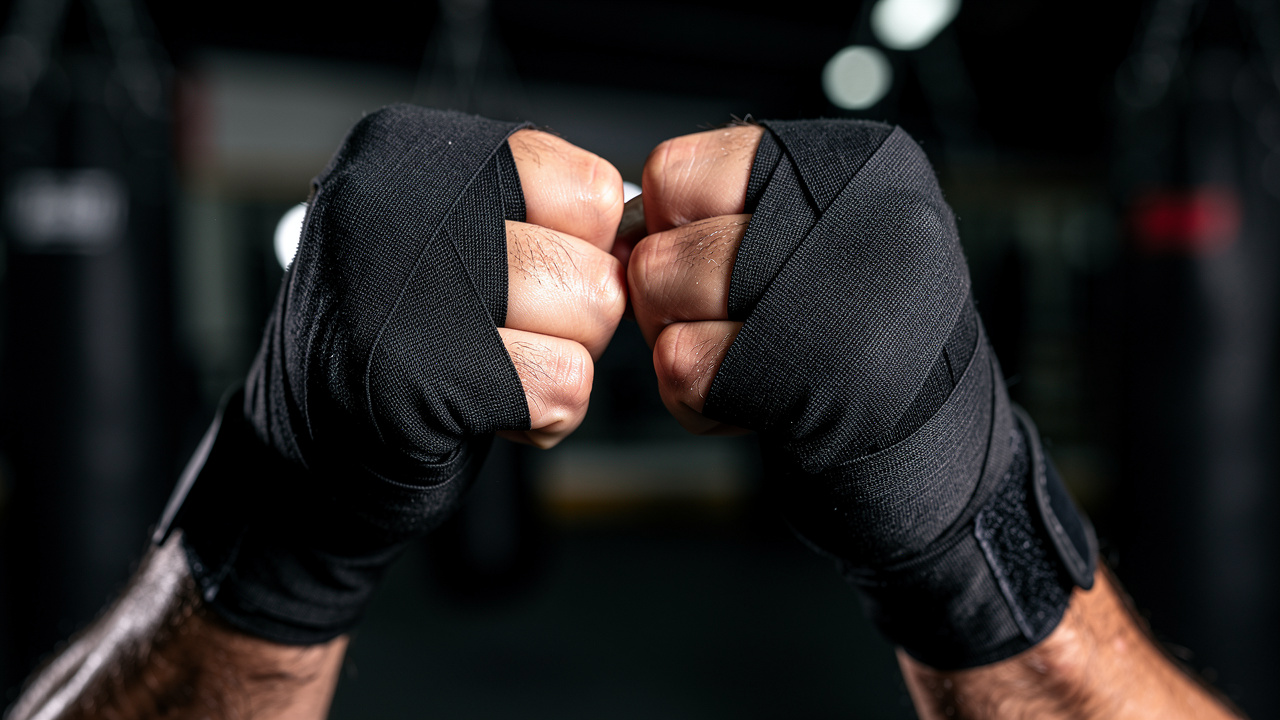
Even with a clear guide, we see the same errors again and again at Round 10. They are easy to fix once you know what to look for, and fixing them makes every round feel better. Use this list as a quick check each time you wrap.
Common problems we notice most often are these:
Wrapping too tightly or too loosely is the first big issue. If the wrap is too tight, your hand goes numb and you lose power. If it is too loose, it bunches up inside the glove and gives almost no protection.
Forgetting about the wrist and thumb leaves two vital areas open to injury. The wrist is the base that carries all the force, so it needs several firm passes at the start and end — and research into Effectiveness of reduction in conservative treatment of boxer fractures highlights just how serious wrist and hand injuries can become without proper support. The thumb must be tied into the hand, or it can easily be bent back on a bag or partner.
Skipping layers over the knuckles means the small bones take every bit of impact. Aim for at least three solid passes, and more if you hit the heavy bag hard. Thin padding might feel neat at first yet often leads to sore, swollen hands after training.
Starting the wrap on the wrong side or letting it wrinkle causes real discomfort. If the label is not facing the right way, the Velcro ends up in the wrong place and will not hold. Folds and creases can rub the skin and cause blisters long before the round is over.
Once those common mistakes are under control, a few simple habits make your wrap feel like a professional did it:
Maintain steady tension from start to finish and keep your fingers wide. The fabric should lie flat, not cutting in or sagging anywhere. When you close your hand, the wrap should feel tighter yet still comfortable.
Do a fist test halfway through the process as well as at the end. After you pad the knuckles, make a fist and open your hand again to check the pressure. This small check saves you from noticing a problem only after the glove is already on.
Practise at home until the steps feel smooth, then ask for feedback in the gym. We often help members refine their how to wrap hands for boxing method with one or two small tweaks. At Round 10 Boxing Club, our coaches would much rather spend a minute fixing your wrap than see you sit out with a hand injury.
“Good boxing is just good basics done over and over again.”
Hand wrapping is one of those basics that separates casual training from smart training.
Conclusion
Learning how to wrap hands for boxing is one of the simplest habits you can build, yet it makes a huge difference to comfort and safety. A few minutes before training protects your hands, supports your wrists, and lets you hit the bag with real confidence.
Remember the pattern we use every day at Round 10 Boxing Club – wrist first, strong knuckle padding, the finger X weave, thumb lock, and a final finish at the wrist with a clear fist test. Every professional boxer in our gym once stood where you are now, slowly mastering the same steps.
If you want coaching that treats details like this as a priority, explore our classes and programmes in Dubai for adults, kids, and ladies‑only groups. For quality 180‑inch Mexican style wraps and other gear, visit the Round 10 worldwide online boxing equipment shop and train with the same standard of kit we trust in our own rings.
FAQs
How Long Does It Take To Wrap Hands For Boxing?
When you first learn how to wrap hands for boxing, expect it to take five to seven minutes for both hands. You are getting used to the pattern and the right tension. With regular practice, most members bring that down to two or three minutes. After a while it becomes part of your normal warm‑up.
How Tight Should Hand Wraps Be For Boxing?
We advise members to think snug, not crushing. The wrap should hold the hand and wrist firmly so everything feels like one unit when you punch. If your fingers tingle, feel numb, or turn pale, it is too tight and you should redo it. If the wrap slides around under the glove, it was not firm enough.
Can I Use Hand Wraps Without Boxing Gloves?
Hand wraps on their own are not made for full‑power bag work or sparring. They are designed to work together with boxing gloves so the padding, wrap, and fist all share the impact. Wraps alone are fine for shadowboxing or light technical drills under a coach. For any hard contact, always add proper gloves over your wraps.
How Often Should I Wash My Hand Wraps?
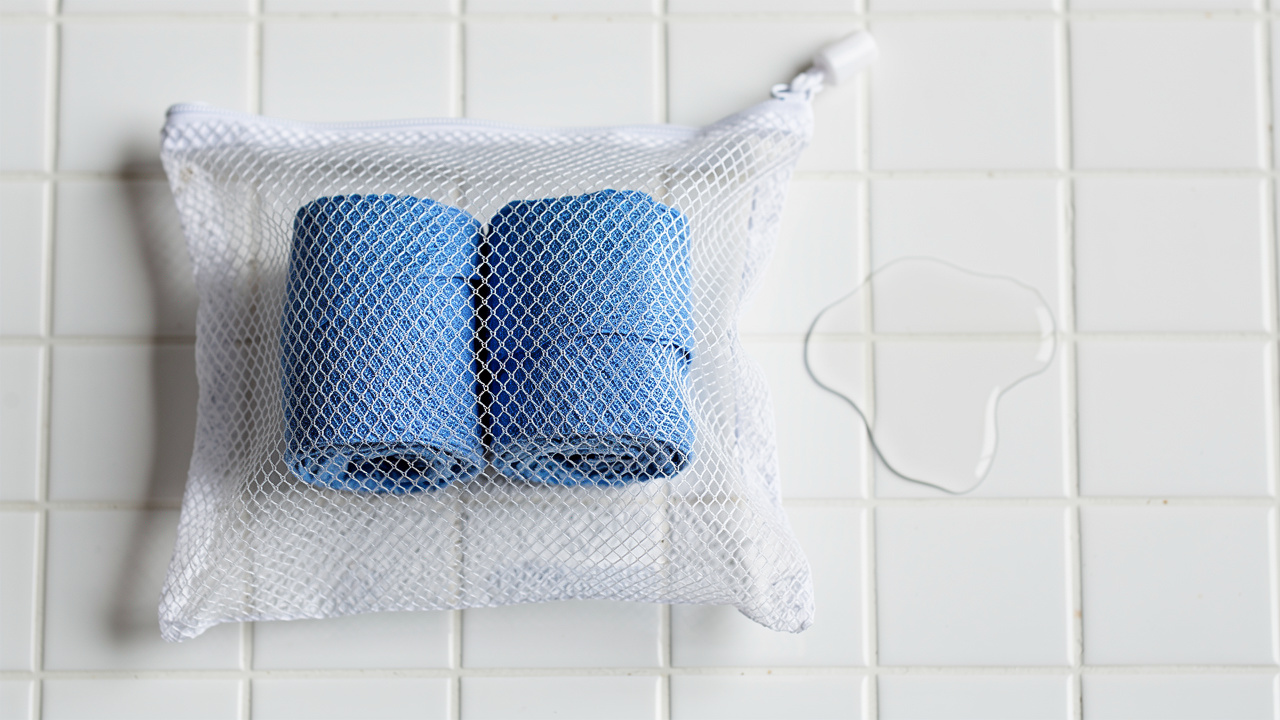
We recommend washing wraps after every training session. They soak up sweat, and fresh wraps help protect your skin and keep gloves from smelling bad. Put them in a small mesh laundry bag, wash on a cool or warm cycle with normal detergent, and then air dry them fully. Avoid fabric softener and never use a tumble dryer, since heat damages the elastic fibres.
What Hand Wraps Does Round 10 Boxing Club Recommend?
At Round 10 Boxing Club we usually recommend 180‑inch Mexican style wraps for most adult boxers in Dubai. They give enough length for full wrist support, strong knuckle padding, and the X weave between the fingers. You can find premium wraps from leading brands in our worldwide online boxing equipment shop. Our coaches are always happy to help you pick the right pair for your training.