
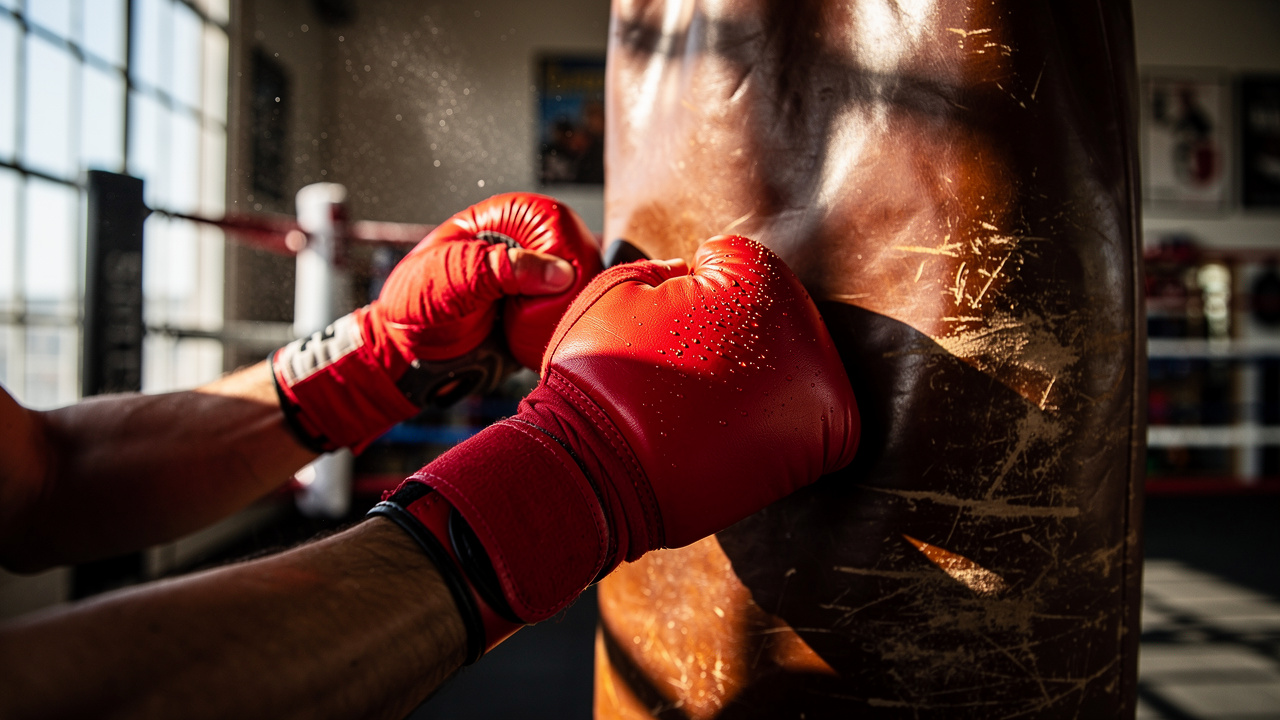
Boxing Tips for Beginners: 18 Ways to Start Strong
Boxing Tips For Beginners: Start Strong
Boxing is a sport that people of all ages and fitness levels can enjoy. Basic research on the primary prevention of boxing-related sports injuries demonstrates that proper training techniques can significantly reduce injury risk while maximizing the benefits of this demanding sport. Well-structured punching drills help you build strength, sharpen endurance, and increase punch speed when you train the right way.
You’ve decided it’s time to step toward the ring. Before you start, there are a few basics you should understand so your training stays safe, effective, and fun.
New boxers often ask:
How do I improve my boxing skills?
Which equipment should I buy to get better at boxing?
Are some exercises better than others for boxing?
What are the first steps in learning?
Is boxing hard for beginners?
What basic punches do I need to master?
In this guide we’ll walk through practical boxing tips for beginners and help you build a safe, rewarding training routine. For a deeper step‑by‑step starting plan, also read our guide on boxing for beginners.
You’re not only training your body; you’re also training your mind. With the right workouts and consistent practice, progress often comes faster than you think.
“I hated every minute of training, but I said, ‘Don’t quit. Suffer now and live the rest of your life as a champion.’” — Muhammad Ali
Below are some of the most important boxing tips for beginners to keep you on track.
1. Punch Light And Sharp, Not Just Hard

A common beginner mistake is trying to smash the heavy bag with every shot. You focus on “knockout punches” instead of clean technique. That slows you down, tires you quickly, and increases your risk of injury.
Boxing power comes from your whole body, not just your arms and shoulders. Your legs, hips, and core drive the punch. When you stay relaxed and snap your shots, you can train longer and improve faster.
“Everybody has a plan until they get punched in the mouth.” — Mike Tyson
How To Practice Light, Sharp Punches
Start every round with 50–70% power. Focus on form and speed first.
Stay loose in your shoulders, arms, and hands. Tighten only at the moment of impact, then relax again.
Rotate your hips and pivot your feet on every power shot (cross, hook, uppercut).
Alternate between light punching rounds and a few short “power” rounds so your technique never breaks down.
If every punch is at maximum effort, you’ll gas out in under a minute and your boxing workout will be too short to build skill. For beginners, think:
Technique
Speed
Power
…in that order.
2. Start With Short Punch Combinations
As a beginner, you don’t need complex 6‑ or 7‑punch combinations. Simple, tight combos done well beat wild flurries every time.
Begin with 3–4 punch combinations and drill them until they feel automatic.
Simple Combinations For Beginners
Using the basic numbering (1 = jab, 2 = cross, 3 = lead hook, 4 = rear hook, 5 = lead uppercut, 6 = rear uppercut):
1–2 (jab–cross)
1–1–2 (double jab–cross)
1–2–3 (jab–cross–lead hook)
1–2–3 to the body (jab–cross–lead hook to body)
Keep your combos short, crisp, and controlled. Remember:
Always start with a jab or double jab.
Keep your guard up while you punch.
Move your feet as you punch so you’re never stuck in one spot.
It’s far better to throw a few simple combinations with good form than many advanced ones with poor mechanics.
3. Learn The Basic Punches
Effective boxing tips for beginners always include mastering the core punches. These are the foundation of everything else you do.
The Jab
Your jab is your most important punch. It’s fast, long, and sets up almost everything.
From your stance, extend your lead hand straight out.
Rotate your fist so your palm faces the floor at impact.
Step slightly with your lead foot as you jab to gain range.
Bring your hand straight back to your chin.
Use the jab to control distance, keep opponents off you, and set up your power shots.
The Cross (Rear Straight)
The cross is usually your hardest straight punch.
From your guard, rotate your rear hip and shoulder forward.
Pivot on the ball of your back foot.
Drive your rear hand straight out from your chin.
Keep your head between your feet; don’t lean past your front knee.
Tie it to the jab as a classic 1–2 combination.
The Hook
Hooks can end fights when they land clean.
For a lead hook, pivot your lead foot, turning your hip and shoulder.
Keep your elbow about level with your fist.
Swing your fist in a tight arc, either to the head or body.
Start with short, compact hooks. Big looping swings are easy to see and easy to counter.
The Uppercut
Uppercuts are short‑range punches that come up the middle.
Bend your knees slightly and sit into your stance.
Drop the punching hand a little, then drive it upward.
Keep your elbow pointing toward the floor, not out to the side.
Uppercuts are great for close range but leave you open if you overcommit. Use them sparingly until your defense is solid.
4. Drink Plenty Of Water Every Day

Hydration is often overlooked, but it’s one of the most important boxing tips for beginners.
When you’re boxing—whether in a gym or at home—you sweat a lot. Dehydration:
Drains your energy
Slows your reactions
Increases the chance of cramps and headaches
Simple Hydration Guidelines
Drink regularly throughout the day, not just during class.
Have 8–16 oz (250–500 ml) of water in the hour before training.
Sip water between rounds; don’t chug a full bottle at once.
For long or intense sessions, consider an electrolyte drink, especially in hot weather.
Limit very sugary drinks right before class—they can upset your stomach once you start moving.
Listen to your body: if you feel dizzy, foggy, or get a pounding headache, stop and drink water, then tell your coach.
5. Learn By Watching Others
If you train at a boxing gym, you’re surrounded by learning opportunities.
Watch:
How experienced boxers warm up and shadowbox
How they move their feet while hitting pads or bags
How they breathe and keep their guard up during hard rounds
Ask respectful questions. Most boxers are happy to share tips, especially with beginners who work hard.
You can also study fights and training clips online. Break them down:
What stance are they using?
How do they enter and exit range?
What combinations do they repeat?
A helpful habit is to focus on one element at a time—such as just footwork or just the jab—while you watch. The more quality boxing you watch with an active mind, the faster you’ll spot and fix your own weaknesses.
6. Use Correct Breathing
Good breathing is just as important as good punching.
Hold your breath and you’ll gas out quickly. Breathe correctly and you’ll stay sharper, move better, and handle body shots more easily.
Breathing Tips For Beginners
Exhale in short bursts with each punch (a quick “tss” or “shh” sound).
Inhale through your nose between combinations, not during them.
Keep your jaw relaxed but your mouthguard (when used) seated firmly.
Never hold your breath when you brace for a punch—keep air flowing.
Between rounds, take slow, deep breaths through your nose and long exhales through your mouth to calm your heart rate.
If you feel out of breath or lightheaded, tell your coach and take a short break. Breath control is a major part of boxing conditioning.
7. Keep Your Head Up
Many new boxers stare at the floor when they punch or when punches come at them. That’s a big mistake.
If you can’t see your opponent, you can’t read punches, defend, or counter.
Practice:
Keeping your eyes forward, looking at your opponent’s chest or upper shoulders.
Keeping your chin tucked down but your eyes up.
Moving your feet and head while always staying aware of where the other person is.
Good vision is a major defensive skill. Train yourself never to “look away” in exchanges.
8. Get Harder Workouts Gradually
Boxing is intense. Trying to go all‑out from day one is a fast way to burn out, mentally and physically.
Ease into your training:
Start with 2–3 sessions per week, then add more as your body adapts.
Combine skill work (shadowboxing, bag work, pads) with basic conditioning (jump rope, light runs, core work).
Add rounds and intensity slowly—don’t double everything overnight.
Conditioning and cardio matter a lot for boxing. For strength, focus first on bodyweight exercises (push‑ups, squats, lunges, planks) rather than heavy weights. Always include core exercises to improve stability.
Alongside beginner boxing drills, support your training with:
Consistent sleep
Balanced meals with enough protein and carbs
Rest days so your body can recover
A simple rule: you should feel tired after class, but not broken. Progress comes from smart effort, not from destroying yourself in every session.
9. Proper Boxing Stance

A strong stance is the base of your offense and defense. Whether you’re hitting a bag or sparring, the right stance helps you:
Punch harder
Move faster
Stay balanced and safe
Key Stance Points For Beginners
Feet: Stand a little wider than shoulder‑width, at a slight angle.
Right‑handed (orthodox): left foot forward, right foot back
Left‑handed (southpaw): right foot forward, left foot back
Weight: Keep your weight spread evenly between both legs.
Knees: Bend them slightly so you’re ready to move.
Heels: Keep your back heel lightly off the floor so you can pivot and push.
Hands: Keep both hands up near your cheeks, elbows tucked in.
Head: Chin tucked down, eyes forward, behind your gloves.
After every punch or defensive move, return to this stance. It’s your “home base” in boxing.
Here is a useful discussion on the topic:
https://www.instagram.com/p/CdclNPyp19m/
10. Hands High And Elbows Down
Your guard is your first line of defense. Keeping hands high and elbows down protects both your head and body.
Keep your gloves at cheek or temple level, not chest level.
Tuck your elbows in to shield your ribs and liver.
Bring your hands straight back to your face after every punch.
This solid guard helps you block jabs, crosses, and body shots while staying ready to counter.
Watch the video in the stance section above and pay attention to how the coach holds their hands and elbows. Then mirror that in front of a mirror or while shadowboxing.
11. Defensive Basics For Beginners
Another key set of boxing tips for beginners is to treat defense as seriously as offense. You’re in the gym to learn how to box, not to absorb punishment.
Two core defensive moves you should start with are the slip and the roll.
“The fight is won or lost far away from witnesses — behind the lines, in the gym, and out there on the road.” — Muhammad Ali
Slipping Straight Punches
Slipping means moving your head just enough so a punch misses by a small margin.
When an opponent throws a jab, bend your knees slightly and move your head a few inches to the outside of the punch.
Keep your eyes on them the entire time.
Stay in stance—don’t lean so far that you lose balance.
Practice by having a partner throw light jabs while you only focus on slipping them. Then add a counter jab or cross after your slip.
Rolling Under Hooks
Rolling (or “bobbing and weaving”) helps you avoid hooks.
As a hook comes toward your head, bend your knees and rotate under the punch in a small “U” shape.
Keep your hands up while you move.
Come back up in stance, ready to counter with a hook or uppercut of your own.
Start slow and controlled. The goal is smooth, small movements, not big dramatic ducks.
Use Defense To Create Offense
Great boxers make opponents miss and then make them pay. Once you’re comfortable slipping and rolling, start adding:
Slip–jab
Slip–cross
Roll under hook–hook to body
This mindset—defend, then counter—will keep you safer and make your sparring much more effective.
12. Keep Punching
When you’re on the bag or in controlled sparring, don’t freeze. Keep punching with intent.
Straight punches, jabs, crosses, hooks, and uppercuts—keep them flowing in short bursts. You want your opponent (or the bag) to “feel” your presence.
At the same time:
Protect your head with a tight guard.
Avoid wild swinging just to stay busy.
Combine punches with footwork—punch, move, punch again.
Consistent offense builds rhythm, confidence, and conditioning.
13. Be Focused And Keep Going
Boxing rewards focus. When you’re training:
Put your phone away.
Listen to your coach’s cues.
Treat every round as practice for a real fight.
Set a small focus goal for each round, such as:
“This round, I’ll keep my jab going.”
“This round, I’ll keep my chin tucked and eyes up.”
You can even jot these goals down between sessions to track what you’re working on. Show up consistently, stay mentally present, and your skills will climb much faster than you expect.
14. Footwork Drills
Footwork is just as important as punching. Good movement keeps you in range to land shots and out of danger when punches come back.
When you’re sparring or working the heavy bag, keep moving while staying in stance. You rarely see fighters just standing still in front of each other. That’s because controlled movement is one of the most important boxing skills.
Think about two main patterns:
Step‑drag: Step with one foot first, then drag the other so your stance width stays the same.
Pivot: Turn on your lead foot to change angles without jumping or crossing your feet.
Here are 10 useful footwork tips for boxers:
Always be on the move, but stay in a good stance.
Avoid crossing your feet or hopping around. Slide smoothly and stay ready to punch.Use small, quick steps to stay light on your feet.
Big steps make you slow and off‑balance; short steps keep you sharp.When you’re throwing punches, transfer your weight from one foot to the other for more power.
Let your hips and feet drive your shots, not just your arms.Practice moving laterally to avoid your opponent’s punches.
Don’t only step straight in and straight back—step left and right to create angles.Stay balanced when you’re throwing punches and receiving them.
If a punch lands while you’re off‑balance, you’ll feel it more and can be knocked down more easily.Use your footwork to set up feints and create openings for punches.
A quick step in can make someone flinch and open their guard.Pay attention to your footing and hand placement in close quarters.
Inside, keep your feet under you, your elbows in, and your chin tucked.Remember to exhale when you throw a punch for maximum impact.
Tie your breathing to your movement and your shots will feel snappier.Practice regularly so that your footwork becomes second nature in the ring.
Shadowbox with movement, not just punches, in every session.Stay calm and focused when you’re fighting, and use your footwork to your advantage.
If you feel pressured, move your feet first—then punch back when you’re in a better position.
15. Enjoy Your Training
Many people who have never tried a combat sport discover they love boxing. The Science of Boxing Training: What 1.2 Million Americans Revealed shows that boxing delivers significant mental health benefits alongside physical fitness improvements, making it one of the most rewarding combat sports to learn. The intensity, focus, and sense of progress can be addictive in the best way.
Boxing helps you:
Relieve stress
Build endurance
Gain confidence
Join a supportive community
Whether you’re a fitness enthusiast, a parent bringing your child to class, a woman trying a ladies‑only session, or a future competitor, come in with the right attitude and give yourself permission to have fun.
In the beginning, shadow boxing is especially helpful. It lets you practice technique, footwork, and breathing without pressure. Put on some music, shadow box in front of a mirror, and enjoy the learning process.
16. Essential Boxing Gear
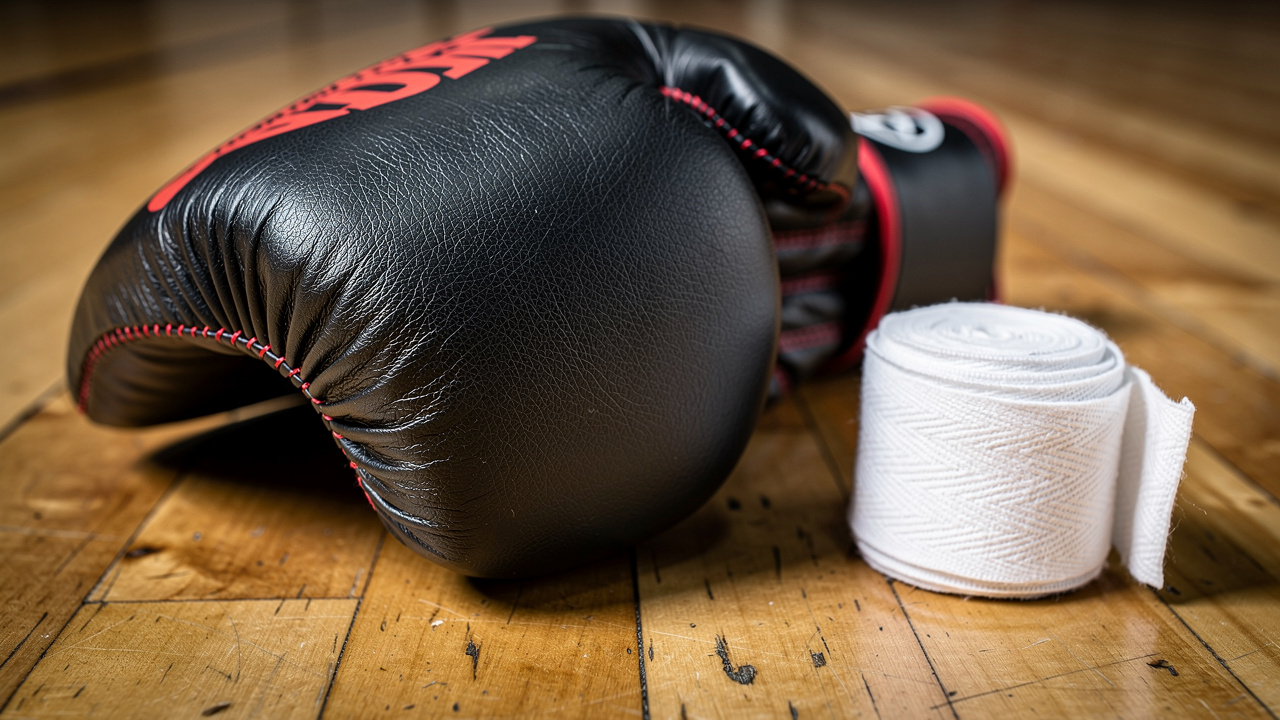
Another important step in your boxing progress is investing in quality gear. The right equipment keeps you safe, comfortable, and consistent.
Start with the basics and build up as your training becomes regular.
A free‑standing or hanging heavy bag is perfect for practicing the techniques you’ve learned, as well as building punching power. There are also other types of punching bags—double‑end bags, speed bags, slip bags—that help improve hand‑eye coordination, hand speed, rhythm, and your defensive skills.
Hand Wraps
Hand wraps protect the small bones and tendons in your hands and support your wrists.
Always wrap your hands before using gloves on a bag or in partner drills.
Wraps also absorb sweat, keeping your gloves fresher and more hygienic.
Owning multiple pairs lets you rotate them between washes.
Boxing Gloves
Boxing gloves protect your hands and your training partners.
For most adults, 14–16 oz training gloves work well for bag work and light sparring.
Make sure the wrist support is firm and the glove feels snug but not tight.
Try them on with your hand wraps to check the fit.
If you train often, keep one pair for bag work and a separate pair for sparring.
Mouthguard
Once you start any kind of contact drills or sparring, a mouthguard becomes non‑negotiable.
It protects your teeth and jaw.
It reduces the risk of biting your tongue during impact.
Use a boil‑and‑bite or custom‑fit mouthguard, and never share it with anyone.
Other Helpful Gear
As you train more, consider:
Headgear for sparring
Jump rope for conditioning and footwork
Boxing shoes for better grip and movement in the ring
Finally, don’t forget to protect your hands and knuckles by investing in quality hand wraps and gloves. They are your first level of protection every time you punch.
Need A Good Pair Of Quality Gloves And Hand Wraps?
Need a good pair of quality gloves and hand wraps? Check out our collection here.
17. Always Wear Boxing Gloves
Hand and wrist injuries are common in boxing, especially for beginners. That’s why you should always wear gloves and wrap your hands before hitting the bag.
Hitting a heavy bag bare‑knuckled—or even with thin fitness gloves—puts a lot of stress on your joints. When you’re still developing proper technique, that risk is even higher.
Make it a habit to:
Wrap your hands correctly every session.
Use the right weight gloves for your size and training.
Replace gloves when the padding becomes too soft or uneven.
Protecting your hands means you can train more often and for many years.
18. Get A Boxing Coach
Not everyone wants to be the next Mike Tyson or Floyd Mayweather. Most people box to get in better shape, build self‑confidence, or learn a new skill.
The best way to learn is with a good boxing coach and gym:
They’ll teach you the basics step by step.
They’ll correct your stance, footwork, and breathing early.
They’ll match you with the right partners and keep training safe.
When you look for a coach, pay attention to:
How clearly they explain drills
How much attention they give to safety and defense
How they treat beginners compared to advanced boxers
If you can’t join a gym right away, you can still learn a lot from reputable online sources and coaching videos. A good example is to follow @round10boxing on Instagram, where our coaches share some of the best boxing training tips for beginner boxers.
When you’re ready, though, getting in front of a real coach is one of the smartest boxing tips for beginners you can follow.
Top 5 Beginner Mistakes To Avoid
To round out these boxing tips for beginners, here are five common mistakes that slow progress and increase injury risk.
1. Chasing Power Instead Of Technique
Swinging as hard as possible on every punch:
Wrecks your form
Tires you quickly
Increases strain on your shoulders and wrists
Focus on clean mechanics and speed first. Real power will come on its own.
2. Ignoring Defense
Many beginners think only about offense. They keep their hands low, stare at the bag, and never move their head.
Train defense from day one:
Hands up, chin down
Slip straight punches
Roll under hooks
Move your feet off the line after you punch
You’re training to hit and not be hit, not just to endure punishment.
3. Poor Stance And Footwork
Standing square, crossing your feet, or bouncing wildly makes you easy to hit and robs your punches of power. Stay in a solid stance, use the step‑drag, and pivot instead of jumping around.
4. Holding Your Breath
Tensing up and holding your breath during exchanges leads to:
Early fatigue
Dizziness
Sloppy technique
Remember: short exhale on every punch, smooth inhale between combinations.
5. Skipping Conditioning And Recovery
Only hitting the bag and skipping conditioning will catch up with you in sparring. Likewise, never resting leads to overuse injuries and burnout.
Balance your week with:
Skill work
Conditioning (runs, jump rope, circuits)
Mobility and stretching
At least one full rest day
Avoiding these mistakes will make every other beginner boxing tip on this list far more effective.
Conclusion
Boxing is a fun, demanding sport that delivers big benefits for fitness, confidence, and mental toughness. By following these boxing tips for beginners—from light, sharp punches and solid stance, to smart defense, footwork, and the right gear—you’ll build a strong base that supports you for years.
Train with focus, protect your hands and head, stay consistent, and work with a qualified coach when you can. Once you’ve locked in the basics, you’re ready to push harder, add more advanced drills, and, when the time is right, step into the ring with confidence.
Box like a champion, enjoy the process, and watch your fitness and skills grow with every round.