

How to Prevent Muscle Loss During Ramadan Boxing Training
Muslim boxers face a distinct physical test every year: staying strong and fast while fasting during Ramadan. Daylight fasting, shorter sleep, and shifted training times can all threaten strength and performance. If you’re training hard, it’s normal to worry about how to prevent muscle loss during this month.
That worry is rooted in real physiology. During long stretches without food, muscle protein breakdown can rise, especially if you keep training at full volume without adjusting food or recovery. For a boxer who relies on explosive power, punch resistance, and sharp footwork, the idea of losing hard-earned muscle is unsettling.
But losing significant muscle is not a given.
With smart planning, Ramadan can become a focused phase for maintaining muscle, refining technique, and sharpening ring IQ. By adjusting nutrition timing, training load, resistance work, and recovery, you can prevent muscle loss during Ramadan and walk back into full camp feeling strong and ready to compete.
Understanding The Science Of Fasting And Muscle Preservation
Fears about rapid muscle loss often come from misunderstanding how the body manages energy. The human body is remarkably protective of essential tissues, especially when you stay active and eat well during your eating window.
Muscle protein synthesis (building) and muscle protein breakdown (loss) happen all the time. In a fed state, building usually outweighs breakdown. During fasting, the balance shifts slightly, but your body does not immediately start burning muscle for fuel.
Here’s what actually happens:
In the first hours of fasting, your body uses liver and muscle glycogen (stored carbohydrate) as its main energy source.
As glycogen falls, your body increases fat oxidation, burning more stored fat for fuel.
This shift toward fat helps spare muscle tissue, especially when the fasting window is under 24 hours and you still meet your nutrition needs overall.
Research on intermittent fasting, including mechanisms of exercise as a countermeasure for muscle loss, shows that lean mass can stay stable when:
Daily protein intake is high enough.
Total calories across 24 hours are not excessively low.
Resistance training is maintained, even at lower volume.
The key is not the number of fasting hours alone, but what and how much you eat between Iftar and Suhoor.
If you hit your protein target in that window, you send a powerful signal to maintain muscle. Boxers who consistently eat enough quality protein between Iftar and Suhoor help the body keep lean mass even while body weight or body fat shifts. If you’re unsure how much protein you need, a guide to calculating protein needs for combat athletes or a qualified sports nutritionist can help you set your numbers.
As one performance nutrition coach likes to say, “Fasting doesn’t erase your gains — undereating protein does.”
Why Preserving Muscle Matters For Boxers
Before looking at training and meal plans, it helps to understand why doing everything you can to prevent muscle loss during Ramadan matters so much.
For boxers, muscle is not just about size:
Power and speed: Muscle mass directly supports punching power, snap, and explosive footwork.
Work rate and defense: Strong shoulders, core, and legs help you keep a high output while staying defensively sharp.
Weight management: Muscle is metabolically active tissue; it burns calories even at rest. More muscle usually means an easier time managing fight weight.
From a health perspective, preserving healthy muscle during periods of reduced food intake also:
Supports healthy blood sugar and insulin sensitivity.
Helps keep body fat—especially around the waist—under control.
Protects joints and bones, reducing injury risk now and later in life.
Fights age-related muscle loss (sarcopenia), which can start as early as your 30s if ignored.
When you prevent muscle loss during Ramadan, you’re not just protecting this month’s performance. You’re protecting the engine that drives every fight camp for years to come.
Optimal Training Schedule During Ramadan
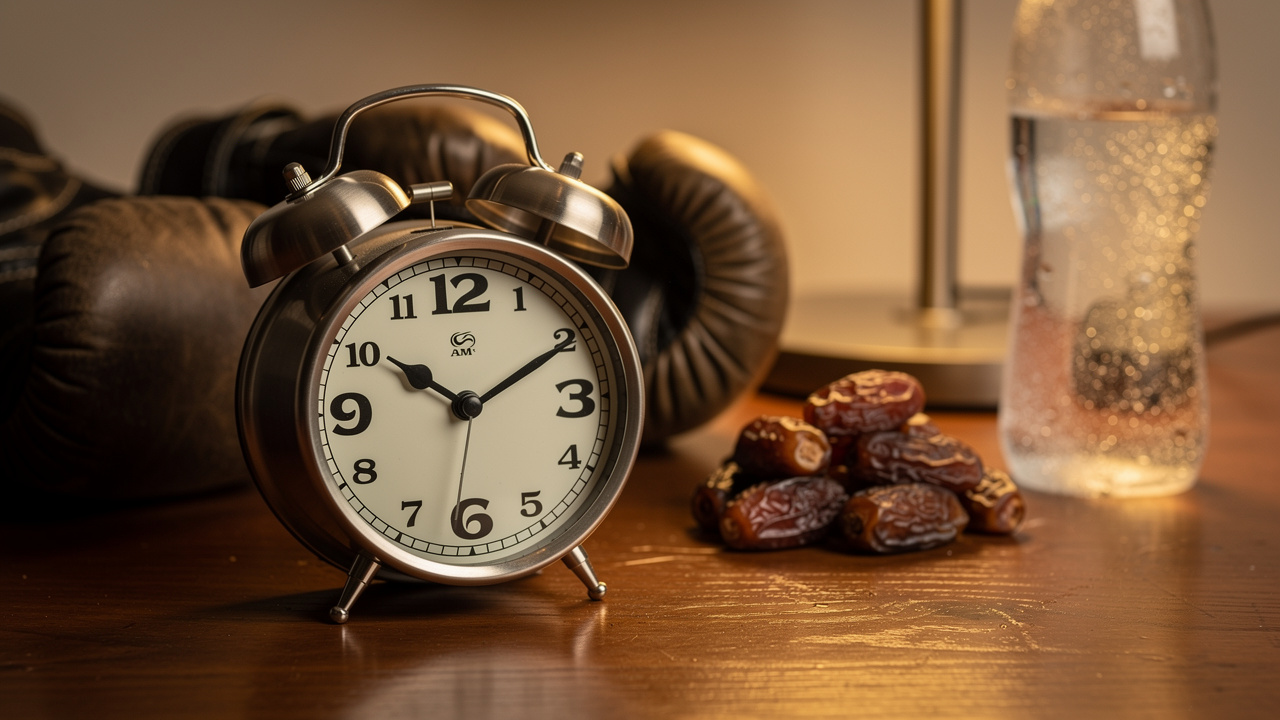
Training at the right time is one of the most powerful ways to prevent muscle loss during Ramadan. Hard sessions when you’re severely dehydrated and low on fuel increase injury risk and can push the body to break down more muscle for energy.
For most boxers, the traditional mid-day or late-afternoon hard session needs to move. You want high-intensity work close to your eating and drinking windows so your body has fuel for performance and nutrients for recovery.
Pre-Dawn Training Benefits
Training before Suhoor offers a clear advantage: you start the session coming off a night’s rest, and you can drink and eat around the workout.
A typical pre-dawn setup might look like:
Light pre-session intake (15–20 minutes before):
Water with electrolytes
A small snack (banana, dates, yogurt, or a protein shake)
Training session (30–60 minutes):
Technical drills on pads or bag
Light to moderate conditioning
Short strength work (more on this later)
Full Suhoor meal immediately after:
High-protein main (eggs, Greek yogurt, cottage cheese, or lean meat)
Complex carbs (oats, wholegrain toast, quinoa)
Healthy fats (nuts, seeds, olive oil)
Plenty of water and electrolytes
Training at this time means muscles receive protein and carbs right after the session, filling the “anabolic window” before the fast begins.
In hot climates like Dubai, pre-dawn training also avoids peak heat, limiting dehydration during a workout that cannot be followed by water. Gyms are quieter, which is perfect for focused technical work without distractions.
Round 10 Boxing supports early risers with flexible scheduling so you can access bags, rings, and strength equipment before sunrise and keep your Ramadan routine consistent.
Post-Sunset Training Advantages
Training after Iftar is still the most popular option for many combat athletes. This approach lets you break your fast, rehydrate, and settle blood sugar before pushing the pace.
A smart post-Iftar structure:
Immediately at Maghrib:
Water and electrolytes
A few dates or piece of fruit
Light snack 15–30 minutes later:
Protein + some carbs (e.g., yogurt and fruit, small sandwich, protein shake)
Training session:
Higher-intensity padwork or bag work
Controlled sparring
Conditioning or strength work
Main meal after training:
Large protein serving (chicken, fish, lean beef, or plant-based equivalent)
Complex carbs (rice, potatoes, pasta, whole grains)
Vegetables and healthy fats
Because you can drink freely, this is the best time for intense sessions, especially sparring or hard conditioning that would be unsafe while fasting. Recovery also starts immediately, since you can eat and drink right after training.
Round 10 Boxing schedules its high-energy group classes and supervised training blocks during these post-Iftar hours so you can push hard with coaches watching your technique, effort, and safety.
Link to Round 10’s Ramadan class schedule
A Word On Afternoon Training
Afternoon training while still fasting needs special care, especially in Dubai’s heat. High-intensity sparring or heavy conditioning in the last hours of the fast:
Raises the risk of serious dehydration and heat illness.
Puts extra strain on kidneys and heart.
Can increase the risk of conditions like rhabdomyolysis (severe muscle breakdown).
If you must train in the afternoon, keep it light and technical:
Shadowboxing
Footwork drills
Light mobility, stretching, or breathing work
Save heavy bag work, sparring, and strength training for pre-dawn or post-Iftar sessions if you want to prevent muscle loss during the month while staying healthy.
Nutrition Strategies For Muscle Maintenance
During Ramadan, nutrition becomes a game of timing and density. The eating window is short, so every bite needs to support performance, recovery, or health. Sugary desserts and fried foods might taste good in the moment, but they easily push out the protein, complex carbs, and healthy fats your body needs to prevent muscle loss during fasting.
Pre-Dawn Meal Planning (Suhoor)
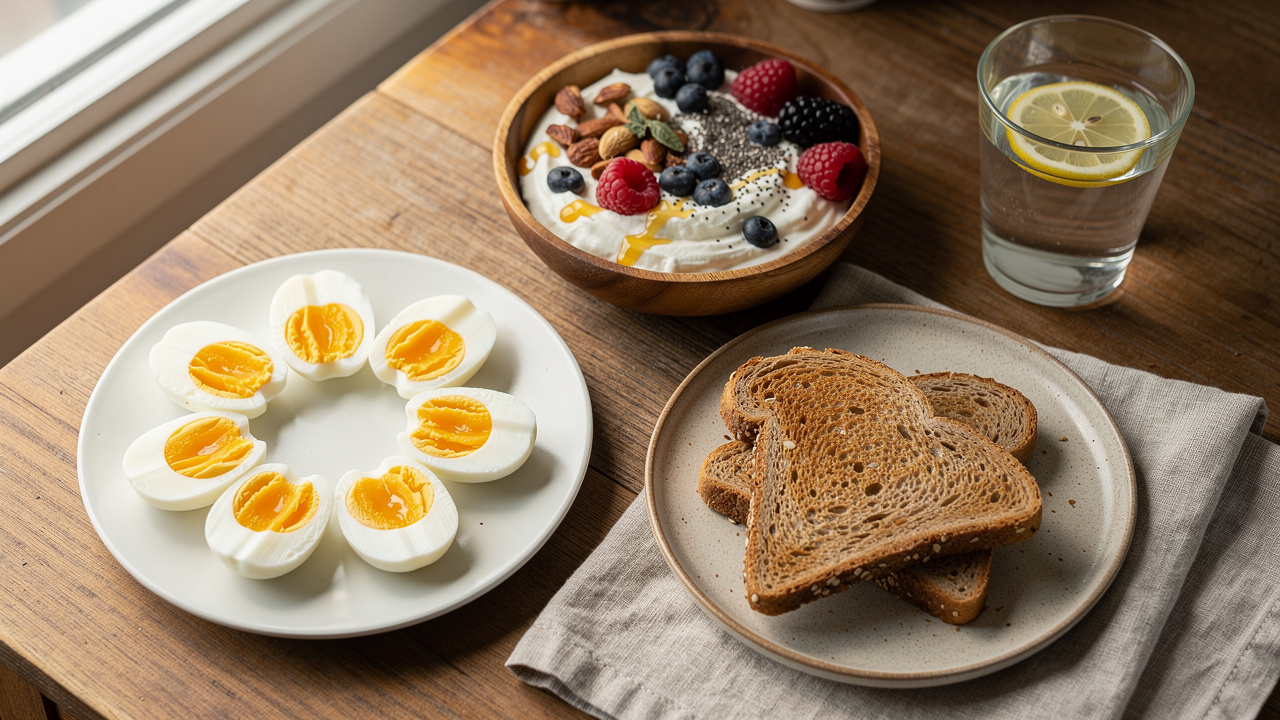
Suhoor is your primary fuel tank for the day. Skipping it is one of the biggest mistakes an athlete can make.
Priorities for Suhoor:
Slow-digesting protein:
Casein-rich foods (Greek yogurt, cottage cheese, some dairy-based protein powders) release amino acids slowly over several hours. This steady drip of protein helps protect muscle while you fast.Complex carbohydrates:
Oats, wholegrain bread, brown rice, quinoa, and starchy vegetables provide a gradual release of energy and help spare protein from being used as fuel.Healthy fats and fiber:
Nuts, seeds, avocado, and vegetables support satiety and hormone health.Smart hydration:
Instead of chugging two liters of water at once, sip consistently in the 60–90 minutes before dawn. Add electrolytes (sodium, potassium, magnesium) to improve retention.
Example Suhoor for a training boxer:
Greek yogurt with oats, berries, and chia seeds
Two boiled eggs or a piece of grilled chicken
A small handful of nuts
500–750 ml water with electrolytes, sipped slowly
This is also an ideal time for:
A multivitamin (if recommended by a professional)
Slow-release protein supplements
Any prescribed medications
To make planning easier, think of Suhoor as the steady energy meal:
Suhoor Component | Main Purpose | Example Foods |
|---|---|---|
Protein | Maintain muscle tissue | Greek yogurt, eggs, cottage cheese |
Complex carbs | Long-lasting fuel | Oats, wholegrain bread, brown rice |
Healthy fats | Satiety and hormone support | Nuts, seeds, avocado |
Fluids/electrolytes | Hydration and performance | Water, electrolyte drinks, light soup |
Post-Sunset Recovery (Iftar And Beyond)
For athletes, Iftar is not just about breaking the fast; it kickstarts the recovery process.
A two-stage approach works well:
Stage 1 – Break the fast:
Water with electrolytes
2–3 dates or a piece of fruit
Optional: a small portion of soup
Stage 2 – Main recovery meal:
Protein-focused plate (chicken, fish, lean beef, lamb, or plant-based)
Complex carbs (rice, potatoes, pasta, whole grains)
Vegetables and a small portion of healthy fats
If you train after Iftar, have a smaller main meal first, then a second meal or protein shake after training. If you train before Iftar, flip that order.
To prevent muscle loss during Ramadan, prioritize:
Daily protein intake:
Aim for roughly 1.6–2.0 g of protein per kg of body weight across your eating window. For a 70 kg boxer, that’s about 110–140 g per day, spread over Suhoor, Iftar, and any snacks.Fast-absorbing post-workout protein:
Whey protein isolate, hydrolyzed beef protein, or a similarly quick-digesting option helps amino acids reach muscles quickly after training.Creatine monohydrate:
Taken consistently (3–5 g per day, with water), creatine helps support strength and helps muscles hold more water—useful when hydration is more challenging.
Link to Round 10’s nutrition guide
A common coaching tip: “Treat Iftar like your recovery window, not a feast with no plan.”
Resistance Training To Prevent Muscle Loss During Ramadan
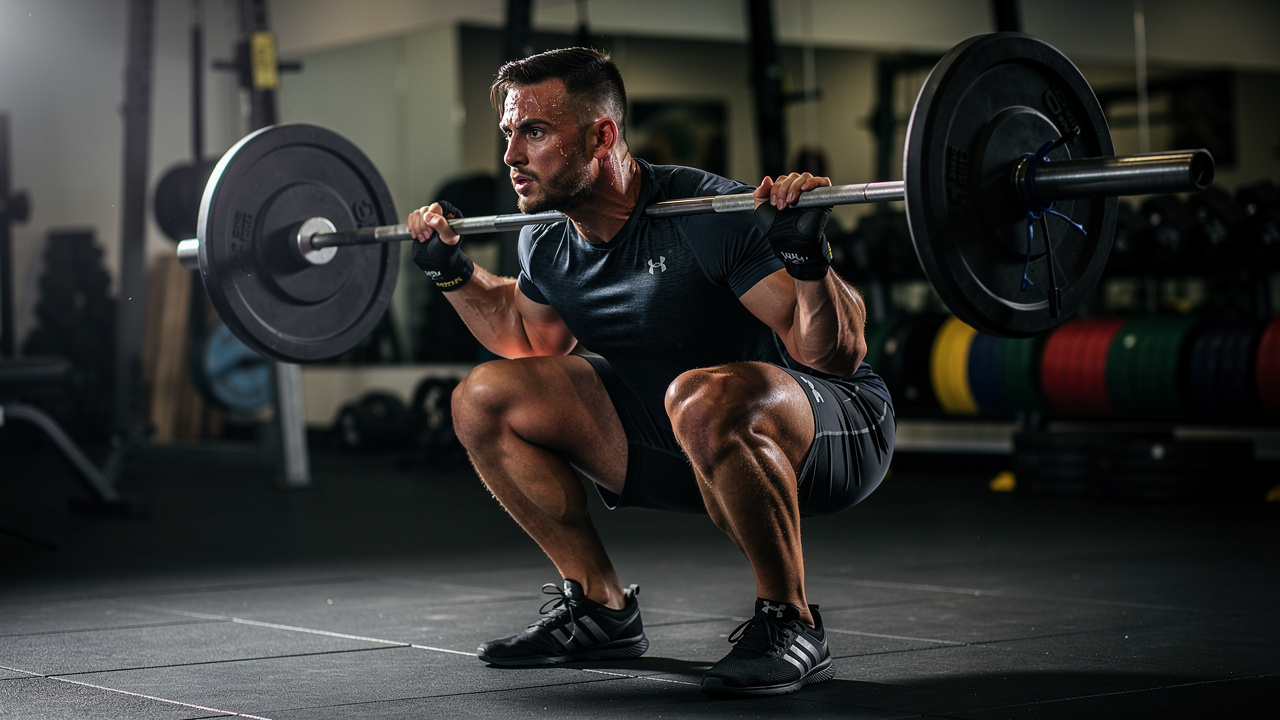
Boxing itself is intense, but it is mostly skill and conditioning. To truly prevent muscle loss during Ramadan, you need at least a small dose of targeted resistance training.
The “use it or lose it” principle applies directly to muscle. When you lift heavy (for you) and challenge major muscle groups, you tell your body: this muscle is needed; keep it.
How Much Strength Work Do You Really Need?
The good news: new research into preventing muscle loss during periods of reduced activity or caloric restriction confirms that maintaining muscle typically requires less volume than building it.
A simple Ramadan strength approach:
Frequency: 2–3 short sessions per week
Duration: 25–40 minutes per session
Timing:
Best: After Iftar or pre-dawn (with food and water available)
Toughest: Late afternoon in the heat while fasting
Focus on big, compound movements:
Lower body: squats, deadlifts, lunges, hip thrusts
Upper body push: bench press, push-ups, overhead press
Upper body pull: rows, pull-ups/lat pulldowns
Core: anti-rotation and stability (planks, pallof presses)
Example 2-day maintenance plan:
Day A
Squat or leg press – 3 × 4–6 reps
Bench press or push-ups – 3 × 4–6 reps
Row variation – 3 × 6–8 reps
Day B
Deadlift or Romanian deadlift – 3 × 4–6 reps
Overhead press – 3 × 4–6 reps
Pull-up or pulldown – 3 × 6–8 reps
Rest 1–2 minutes between sets, and stop 1–2 reps before failure. The goal is to send a strong signal to maintain muscle without exhausting yourself.
If you don’t have access to weights, use harder bodyweight versions:
Decline push-ups
Bulgarian split squats
Single-leg hip thrusts
Tempo squats or push-ups (slow negatives)
Round 10 Boxing coaches can help you blend strength sessions with your boxing schedule so you prevent muscle loss during Ramadan without burning out.
Training Modifications For Ramadan
Trying to train with full fight-camp volume while fasting is a fast way to hit overtraining, lose muscle, and feel drained. Ramadan is a time to be strategic, not stubborn.
Volume And Intensity Adjustments
Think “smart reduction,” not “all or nothing.”
Reduce total volume by about 25–30%:
Shorten sessions slightly, cut a few rounds, or lower the number of weekly sessions.Keep intensity where it matters:
When you work, work with focus. Hard pad rounds, quality bag work, and strength sets should still feel demanding.Protect power and strength:
Heavy, low-rep strength work and sharp, explosive shots tell your body to keep muscle. Endless light reps can send the opposite message.
Instead of constant pressure-fighting drills that drain energy systems, emphasize:
Clean, powerful single shots and 2–3 punch combinations
Counter-punching mechanics
Footwork, angles, and distance control
Defensive movement and ring IQ
At Round 10, trainers often shift in Ramadan from brutal conditioning blocks to sessions that emphasize technique, timing, and power development. You still feel like a fighter, but you avoid needless wear and tear that can cost you muscle.
Recovery Optimization
Muscle is built and preserved during recovery, not just in the gym. During Ramadan, when sleep can be broken and calories are often lower, recovery needs extra attention.
Helpful tactics include:
Short naps:
A 20–30 minute nap before Iftar can improve mood, focus, and hormone balance for your evening session.Active recovery:
Light walks, mobility drills, and stretching on non-sparring days help circulation without overloading your system.Soft-tissue work:
Foam rolling and light massage can ease tightness and support movement quality.
Professional facilities become especially valuable here. Round 10 Boxing offers recovery services that go beyond basic stretching.
Ice bath therapy between sessions can reduce inflammation, help control body temperature, and ease soreness when you can’t drink during the day.
Compression therapy supports better blood flow and faster removal of metabolic waste from the limbs, helping you feel fresher for the next session even with fewer calories.
Book a recovery session at Round 10 Boxing to support your body while you prevent muscle loss during this demanding month.
Sleep, Routine, And Recovery During Ramadan

Sleep is one of the most underrated tools you have to prevent muscle loss during any period of stress—especially Ramadan. This is when your body releases growth hormone, repairs muscle tissue, and resets the nervous system.
Fasting and late-night prayers can shift your sleep pattern, but you can still stack hours of quality rest.
Sleep Targets And Practical Tips
Aim for roughly 7–9 hours of total sleep across 24 hours, combining night sleep and short naps.
Helpful habits:
Set a consistent cut-off time:
Decide when you’ll wind down at night, even if it’s later than usual. Try to be consistent across the month.Create a pre-sleep routine:
Ten to twenty minutes of light stretching, breathing exercises, or reading can help you switch off after late training or Iftar.Limit screens before bed:
Phones and tablets close to your face make it harder to fall asleep. Try to reduce bright screen use in the 30–60 minutes before sleeping.Manage caffeine:
Strong coffee at Suhoor or late evening may keep you awake when you finally try to sleep. Move most caffeine to earlier in the night.
A simple rule from experienced fighters: “Treat sleep like training. Protect it, plan it, and don’t skip it.”
Better sleep means better hormone balance, more stable mood, and stronger training outputs—key ingredients if you want to prevent muscle loss during Ramadan while staying sharp in the gym and ring.
How To Track Muscle And Performance
You can’t manage what you never measure. To truly know whether you prevent muscle loss during Ramadan, you need simple ways to track your body and performance.
Beyond The Scale
The bathroom scale tells you total weight, not what that weight is. During Ramadan, weight can fluctuate from:
Water shifts
Glycogen changes
Food volume
Real changes in fat or muscle
To get a clearer picture, consider:
Strength tracking:
Are your key lifts (squat, press, deadlift, pull-up variations) holding steady within 5–10%? Are your pad and bag rounds still snappy?Performance in the ring:
Do you feel strong in clinches, able to hold your guard up, and stable on your feet in later rounds?Waist and progress photos:
A simple tape measurement around your waist and front/side photos once per week can show if you’re leaning out without looking “flat” or weak.
Body Composition Analysis
For a deeper look, body composition testing goes beyond weight and gives you:
Estimated fat mass
Lean mass (muscle and other lean tissue)
Sometimes segmental breakdown (arms vs legs, left vs right)
Tools include:
DEXA scans – low-dose X-ray scans that assess bone, fat, and muscle.
Bioelectrical impedance analyzers – such as InBody or similar devices often found in performance centers.
Many sports and medical centers in cities like Dubai offer these services. Regular checks (for example, before and after Ramadan) can show whether your plan to prevent muscle loss during fasting is working.
Success Stories And Expert Tips
Experience confirms what science suggests: with the right plan, boxers can get through Ramadan without losing muscle or sharpness.
Many Muslim athletes at Round 10 report that shifting their mindset from “I must gain” to “I must maintain” during Ramadan leads to:
Better training quality
Fewer nagging injuries
Renewed motivation after Eid
They come back to full camp with:
Similar or improved strength
Sharper technique
Lower fatigue and mental burnout
Professional coaches often use Ramadan as a technical lab.
“Ramadan is the time to fix your footwork,” notes one senior coach. “You don’t need 3,000 calories to work on pivots and angles. Nail the technique now and add speed and volume later.”
Sports nutrition guidance backs this approach. Research shows strength levels can stay stable for 30 days even with fewer sessions, as long as:
Protein intake stays around 1.6–2.0 g per kg of body weight.
You keep at least some heavier resistance work.
You avoid drastic calorie crashes.
Case studies of elite athletes show that while body weight often drops during Ramadan, most of that loss comes from water and glycogen, not muscle. Those levels usually rebound within a week of returning to normal eating—especially if you prevent muscle loss during the month with good training and nutrition habits.
Quick expert reminders:
Keep at least 2–3 strength sessions per week (short is fine).
Hit your daily protein target between Iftar and Suhoor.
Time hard training when you can eat and drink.
Guard your sleep and recovery as seriously as your sparring rounds.
Maintaining Progress While Honoring Faith
Ramadan demands discipline, patience, and self-control—qualities every successful boxer already understands. Fasting does not mean pausing athletic development; it means approaching training more intelligently.
Round 10 Boxing provides the structure and support needed to strike this balance. The club is not just a place to sweat; it is a community designed to respect the needs of Muslim athletes and families in Dubai:
Training programs that respect lower daytime energy
Flexible schedules that work around prayer times, work, and family
Classes for youth, women-only groups, and serious competitors
Coaches who understand how to prevent muscle loss during Ramadan while keeping you fight-ready
Recovery facilities and knowledgeable staff protect your body so the spiritual benefits of the month are not overshadowed by preventable fatigue or injury.
With the right plan, you can finish Ramadan with:
Muscle mass intact
Technique sharpened
Mindset stronger than ever
Book your Ramadan training consultation at Round 10 Boxing and set up a schedule that lets you honor your faith, protect your body, and keep moving toward your boxing goals.